
Marvel Rivals in 2026: Eight Mutants Who Still Deserve a Roster Spot
Marvel Rivals’ best X-Men mutants could add bold roles, from Cyclops’ optic leadership to Nightcrawler’s teleportation and Mystique’s deception.
By 2026, Marvel Rivals has settled into a rhythm of seasonal updates, balance passes, and roster surprises, yet the mutant conversation refuses to cool down. Players can already pick Wolverine, Storm, Magik, and a few other mutant-adjacent fighters, so it is fair to ask: why does the X-Men’s field leader still feel like a missing piece? And if the game is going to keep growing, which mutants would bring the most interesting playstyles rather than just another familiar face?
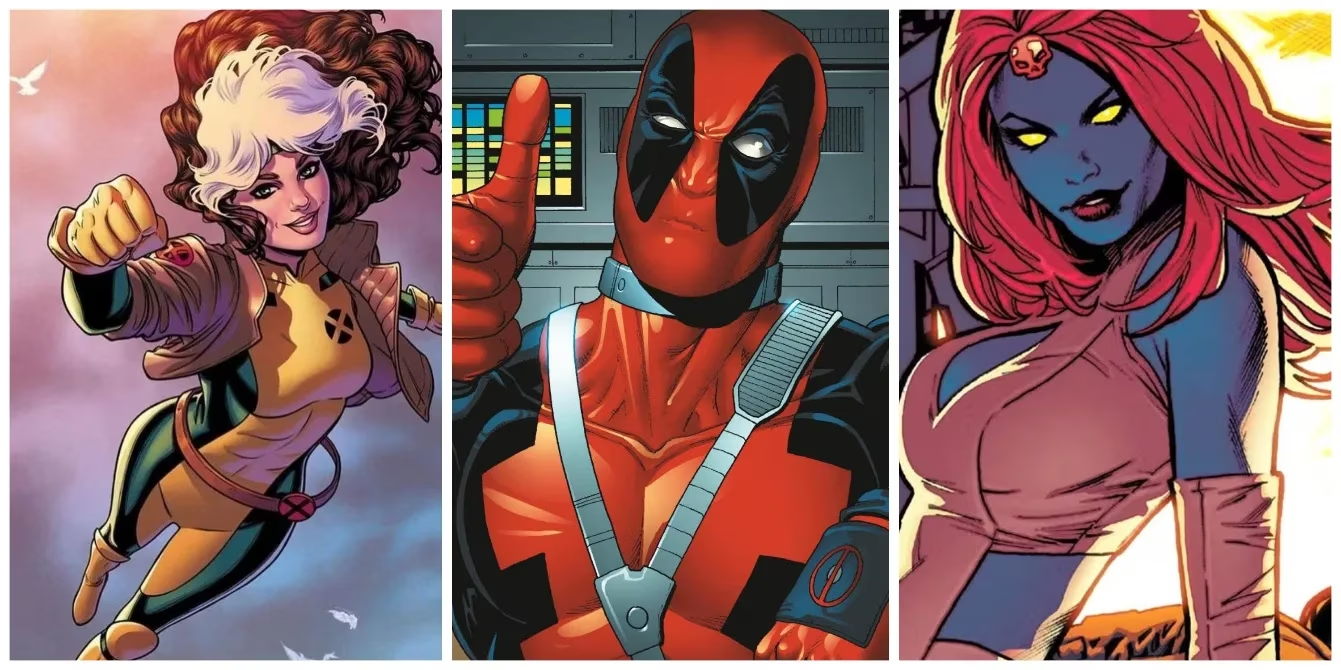
The answer is not just a list of popular names. A strong addition needs a clear role, a readable silhouette, and a kit that creates team-up stories. The eight mutants below fit that brief. Some are obvious crowd-pleasers, some are tactical nightmares for the enemy backline, and at least one would probably annoy everyone in the lobby — in the best way.
| Mutant | Natural Role | Core Fantasy |
|---|---|---|
| Cyclops | Duelist | Precision optic beams and leader-based synergies |
| Beast | Strategist or Vanguard | Agile science support with a feral edge |
| Nightcrawler | Duelist | Teleporting swordplay and vertical harassment |
| Rogue | Duelist / hybrid | Power theft and temporary role bending |
| Gambit | Duelist | Explosive card tricks and staff combos |
| Colossus | Vanguard | Steel-bodied frontline protection |
| Mystique | Duelist | Disguise, infiltration, and assassination |
| Deadpool | Duelist or Strategist | Chaos, healing, and fourth-wall mischief |
Cyclops Is Still the Loudest Silence
It is strange that the man who should be leading the X-Men has not yet joined the fight. Scott Summers is not just a poster boy for mutant leadership; he is a ranged threat with a built-in answer to flying characters. A Duelist Cyclops could fire controlled optic blasts, ricochet shots off geometry, and rally allies with command buffs. Wouldn’t it be satisfying to see his Ultimate turn a narrow corridor into a no-fly zone? His presence would also give existing X-Men picks a natural anchor for team-up abilities, which is exactly the kind of synergy the game thrives on.
Beast Brings Brains and Brawn
Dr. Hank McCoy is one of Earth’s smartest minds, but his charm is just as important as his intellect. Players who enjoy support characters with movement and utility would likely gravitate toward a Strategist Beast. He could toss healing tech, buff allies with field analysis, and then go feral when cornered. A Vanguard version is equally plausible: a blue-furred brawler who leaps into the fray, disrupts formations, and refuses to stay down. Either way, Beast would add mutant representation to the Strategist pool without feeling like a copy of existing supports.
Nightcrawler Would Make Teleportation Feel Like Showmanship
Kurt Wagner’s circus background makes him a natural showman, and his teleportation gives him a mobility gimmick that fits Marvel Rivals perfectly. As a Duelist, Nightcrawler could blink through walls, flip over tanks, and harass backline Strategists with rapier strikes and tail blades. The fun would come from constant repositioning: one second he is on the high ground, the next he is behind the healers. Isn’t that exactly the kind of annoying-but-fair threat that makes a hero shooter memorable? His kit could reward map knowledge and quick decision-making rather than raw aim.
Rogue Could Bend the Role System
Rogue is a Southern belle with a gift and a curse. Her touch-based power theft opens design space that few heroes can match. In Marvel Rivals, she could work as a Duelist who temporarily copies an enemy’s abilities after a successful touch, disabling that target for a short window. That would make her a hybrid threat: sometimes a flying bruiser, sometimes a support thief, sometimes a tanky disruptor. The risk is complexity, but the payoff is huge. Would players not love a hero whose Ultimate literally turns the enemy’s best tool against them?
Gambit Is Pure Duelist Energy
The ever-lovable charmer deserves a spot simply because his kit writes itself. Gambit can overcharge inanimate objects, which means explosive playing cards, charged debris, and a bo staff for close-range combos. A Duelist Gambit could poke from mid-range, set traps with delayed explosions, and then finish wounded targets with acrobatic staff strikes. His romantic team-up with Rogue could be a delightful bonus, perhaps granting a shared buff when both are on the same team. Who wouldn’t want a little Cajun chaos in the lobby?
Colossus Is the Bulwark the Frontline Needs
Colossus once wanted a quiet life as a farmer, but his steel skin made him a protector. As a Vanguard, he would be the answer to burst damage: slow, steady, and nearly impossible to shove aside. His metal body could provide shielding for allies, and his fists could trade blows with the heaviest bruisers in the game. The dream team-up is obvious: Colossus grabs Wolverine and launches him into the enemy backline for a fastball special. That single interaction would probably become a highlight-reel staple.
Mystique Would Be a Backline Nightmare
Mystique is a master of disguise, and that makes her a natural Duelist assassin. Imagine a shapeshifter who takes the appearance of an enemy hero, slips behind the frontline, and punishes an isolated Strategist before vanishing again. Her martial arts and knives give her a backup plan when stealth fails. The design challenge is readability — players need counterplay — but the fantasy is too good to ignore. Wouldn’t a well-timed disguise create some of the most memorable moments in the game?
Deadpool Is the Wild Card
Deadpool is part Avenger, part mutant, and entirely a headache for anyone trying to balance him. His healing factor, katanas, guns, and nonstop chatter could make him an action-packed Duelist. Alternatively, he could be a bizarre Strategist who buffs allies and debuffs enemies through sheer annoyance. Either role would be an instant pick for fans. The real question is not whether Deadpool fits, but whether the developers could resist making his Ultimate break the fourth wall.
The Mutant Roster Still Has Room to Grow
By 2026, Marvel Rivals has proven that roster additions are not just fan service; they are opportunities to expand team compositions and storytelling. The eight mutants above cover ranged pressure, frontline durability, support utility, and backline disruption. They are popular, but more importantly, they are mechanically distinct. Fans will keep asking for them, and the game will keep evolving. The only real question is which mutant gets the call first.
Leave a Comment