
Marvel Rivals Ranked Reset: The Bronze-to-Grandmaster Blender
Marvel Rivals' Season 1 ranked reset dropped players seven tiers, turning Bronze-Gold into a chaotic blender of mismatched skill.
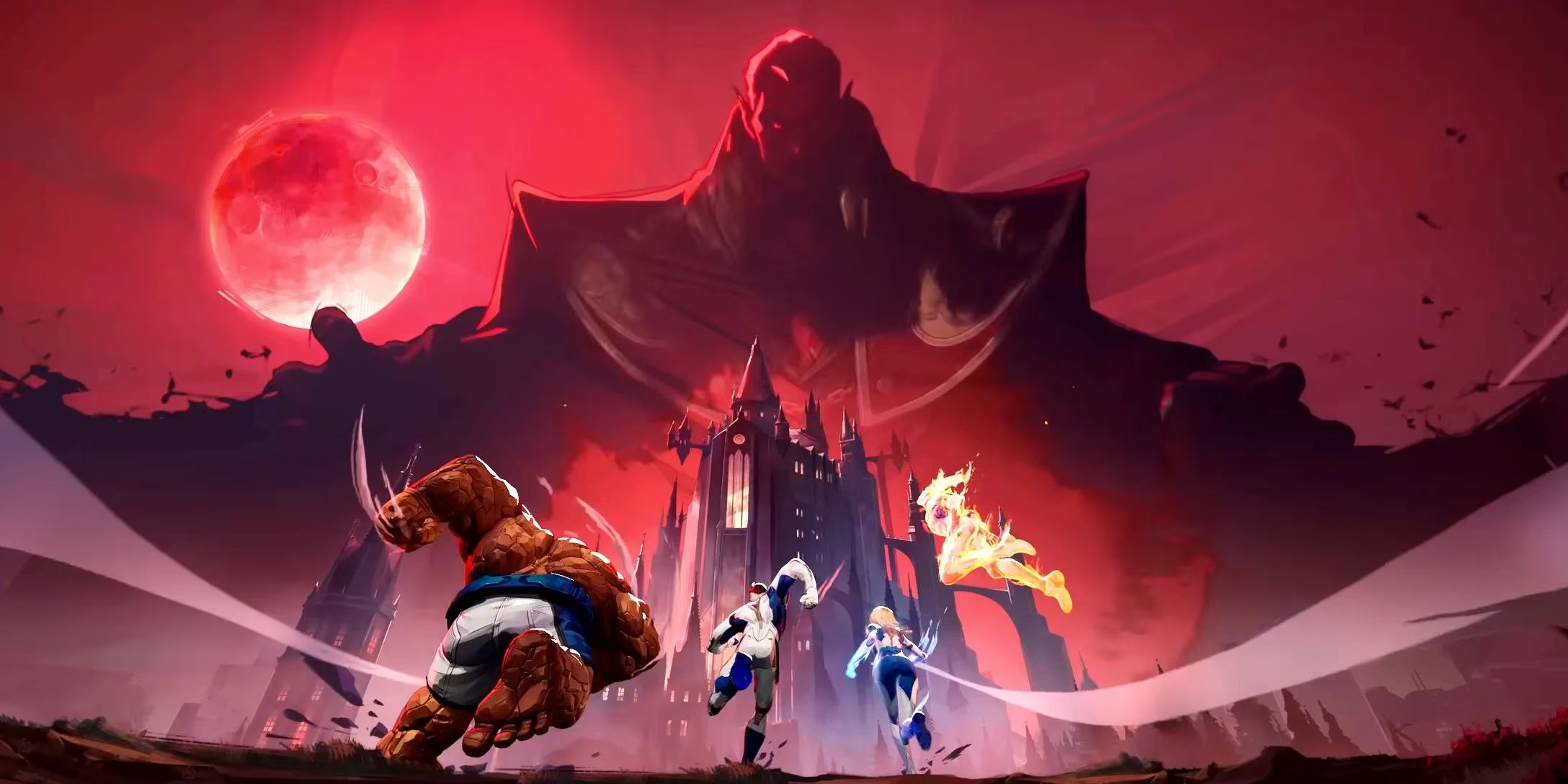
By 2026, Marvel Rivals has had plenty of time to learn that a ranked reset is not a magical reset button; it is a stress test with a cape. When Season 1 arrived on January 10, 2025, the game delivered its first proper rank reset, and the competitive playlist promptly turned into a science experiment involving former Grandmasters, fresh Bronze players, and a whole lot of one-sided matches. The result was less a ladder and more a blender — with capes. 🦸
The Seven-Tier Shove
Marvel Rivals did not use placement matches for Season 1. Instead, NetEase applied a simple rule: every player’s previous rank was reduced by seven tiers. That meant a Platinum Three player began in Bronze One, while anyone who had ended the previous season in Gold Two or below was dropped into Bronze Three, the game’s starting rank. Grandmaster Three players, meanwhile, found themselves in Gold One. On paper, it looked tidy. In practice, it was like sorting a superhero team by asking everyone to take one step backward and hoping for the best.
| Previous rank | New Season 1 starting rank |
|---|---|
| Platinum III | Bronze I |
| Gold II or below | Bronze III |
| Grandmaster III | Gold I |
The problem was not that players were reset. Resets happen, and competitive games survive them. The problem was that Marvel Rivals’ success had pulled in players of wildly different experience levels, and the seven-tier shove dumped a large chunk of them into the same low-rank neighborhood. With the game’s ever-increasing player counts, the issue only grew louder. What could possibly go wrong when a former Grandmaster and a brand-new Bronze Three player share a lobby? Quite a lot, apparently.
Why Bronze Through Gold Became a Blender
Marvel Rivals normally restricts teammates to ranks within three tiers of one another. A Diamond Three player can queue with a Platinum Three player, for example. But there is a special addendum for Bronze through Gold: no restriction at all within that set. Any player in those ranks can play with any other player in the same broad group. In theory, this flexibility is friendly. In practice, it allowed former Grandmasters in Gold One to play with the vast majority of the player base, including players whose skills more honestly belonged in Bronze.
So Bronze through Gold became volatile in a way that was almost impressive. Sweeps became more common than nail-biters. Players who wanted close, competitive matches found themselves in lobbies where one team had a former Grandmaster and the other had a brave soul still learning which button fires the ultimate. Is that ranked mode, or is that a group project where one student has already finished the assignment and the rest are still looking for the pencil sharpener? 🎲
Higher-skilled players could climb out, of course. But the climb was less consistent than it should have been, and players whose true skill matched their low rank felt the tension most. In no world is a ranked match with a Bronze Three player and a former Grandmaster acceptable. Players enter ranked mode not only to climb a ladder, but to experience close, competitive games. With such imbalance, those nail-biter matches became rarer than a quiet day in the Marvel multiverse.
What Should NetEase Do Before the Next Reset?
The core idea of ranked mode is simple: players should feel their skill matter in matches that feel competitive. If someone is placed below their true level, they should be able to climb. But the Season 1 disparity was too extreme. The fixes on the table are not mysterious:
-
🛠️ Reduce rank degradation. Dropping players by seven tiers was a sledgehammer. Three or four tiers would re-sort players without turning Bronze into a surprise reunion of high-rank veterans.
-
🚪 Apply the three-tier queue restriction to Bronze through Gold. This would shrink the skill range in low-rank lobbies, though it risks making it harder for friends to play together.
-
🎯 Add placement matches. This is the big one. Placement matches would fast-track players toward ranks that reflect their skill, reducing the number of wildly imbalanced games dramatically.
There is a fine line here. Players should be able to experience competitive mode with their friends, and the flexibility in Bronze through Gold helps new players queue together while skill differences are still more arbitrary. Removing every friendly feature would be a band-aid solution. The real problem is that, with the current degradation system, Bronze through Gold simply holds an extreme level of skill diversity. Even a three-tier reduction would still allow Platinum players to enter Bronze lobbies at the start of a season.
The Lesson for 2026
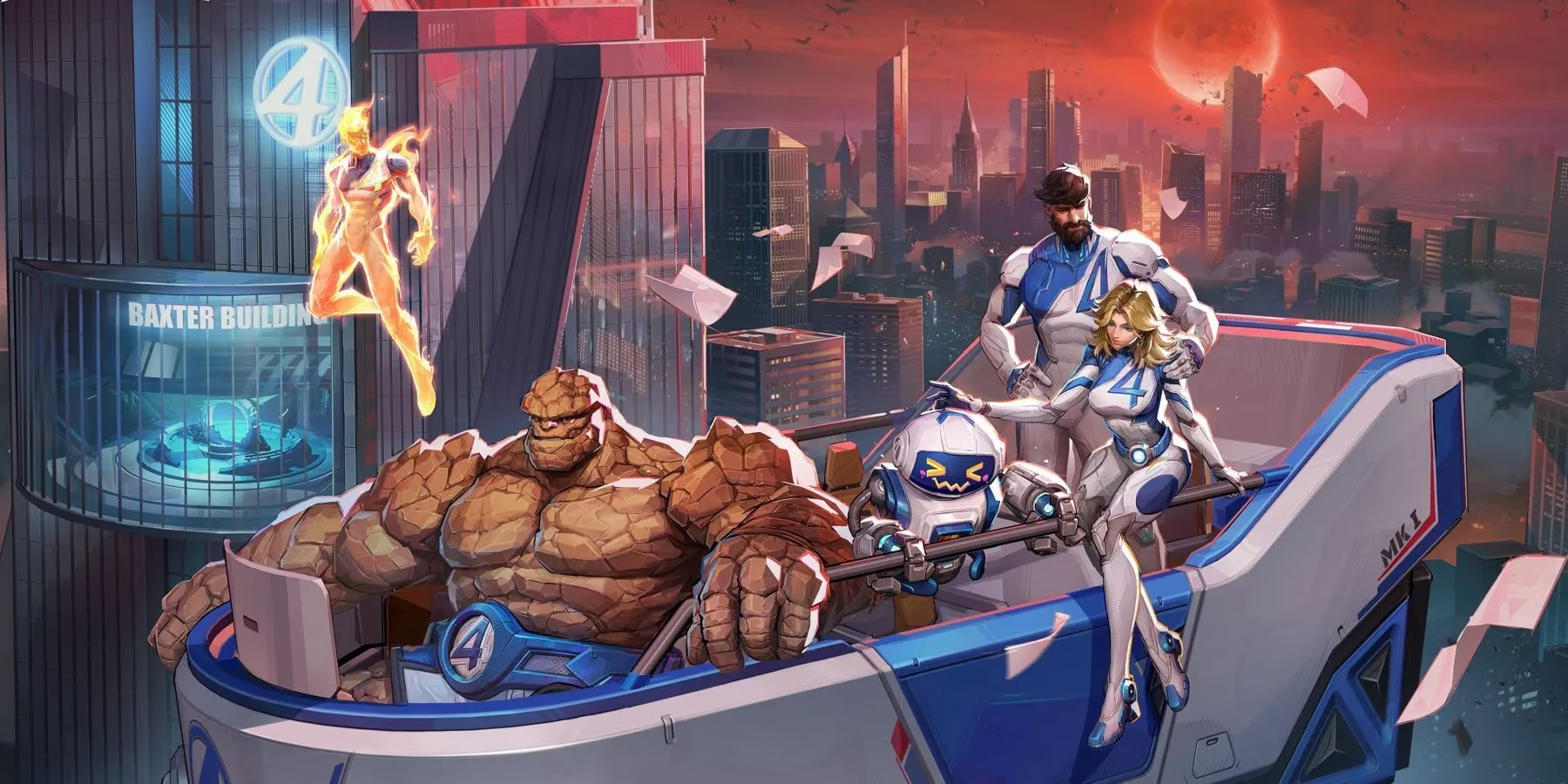
Similar to Season 0, the ranks eventually stabilized. They always do. But a new season and its rank reset should be exciting, not exhausting. New characters like Mr. Fantastic and his often hilarious options, plus new maps, should be fun twists on the previous experience. Yet if Marvel Rivals does not change its approach in future resets, the same issue will repeat: players will hesitate to enter the ranked playlist at a season’s release, fearing a lobby that looks less like a competition and more like a superhero convention with a scoreboard.
By 2026, the lesson is clear. Rank resets need chaos control, not just a seven-tier shove and a hopeful shrug. Placement matches, gentler degradation, or a smarter queue restriction could all help. NetEase needs to prioritize a system that reduces unintended volatility while keeping ranked mode friendly enough for friends to play together. Otherwise, Bronze through Gold will remain the multiverse’s strangest blender — and everyone will keep getting mixed into the same questionable smoothie. 🥤
Leave a Comment